
Janie and I recently returned from an extended trip to celebrate her November birthday a little early, so regular readers may have noticed that I missed a couple of editions. I’m grateful to Association Vice President Mike Miller for leading this year’s major effort to tackle our biggest challenge: invasive grass. We brought in Water Wizard, a Blue Springs company, to help with the work and assess its capabilities. In a future article, we’ll review the project, share what we learned, and explain how those lessons can guide further lake improvements. I also want to recognize the operations team for keeping dredging on track and Operations Manager Scott Johnson for tirelessly coordinating this year’s demanding workload.
Socket Fiber – upon arriving home I noticed that the boring of new fiber has continued from Gate 5 past our house, which means good progress on that project continues. You may ask about Brightspeed’s project and they continue to plan, but no start date has been assigned.
Spire | Roads – Another major project around the lake is progressing well. With work now well underway in V Block, the Roads Committee has begun repairing the road base on Goat Hill in preparation for resurfacing from Goat Hill to beyond the Gate 7 entrance. Resurfacing will begin after the V Block culvert project is completed in early October. Roads Chairman Tim Gravlin has also worked with Spire on plans to repair the lakeside portion of Eastshore Road once its work is finished.
You’ll also note some new guard rails around the lake that was part of this year’s road improvement plans. Safety is one of those topics that is part of our infrastructure improvement plans.
The office has sent out a schedule for culvert work on the Northshore, so for those who travel that part of the lake road keep an eye out for the crews.
2028 Budget Development – it’s hard to believe as the 2026 season winds down its time to pull together our next year’s budget to be voted on in the November Annual Budget Meeting. At that meeting we will be going overall the projects completed this year and what is planned next for Dredging, Lake Environment and infrastructure programs. I strongly encourage everyone to attend the meeting this year as we will have a lot of details to share to both address all the chatter around the lake as well as what we are doing in future years.
Water Testing Program – as a continued part of our efforts to be better stewards of the lake and support our members we implemented Water Testing of key aspects of water quality. The focus now is meeting our Dredge Permit requirements for DNR as we let silt basin water back into the lake. The results are trending with normal Phosphate Levels; however, we continue to see higher Nitrogen levels. This makes sense as we consolidate the silt from Quantrill and Waterfall coves into the basin. Unfortunately there is no way to mitigate this aspect of the process. As noted before our water is very hard with a lot of minerals, typical for this area.
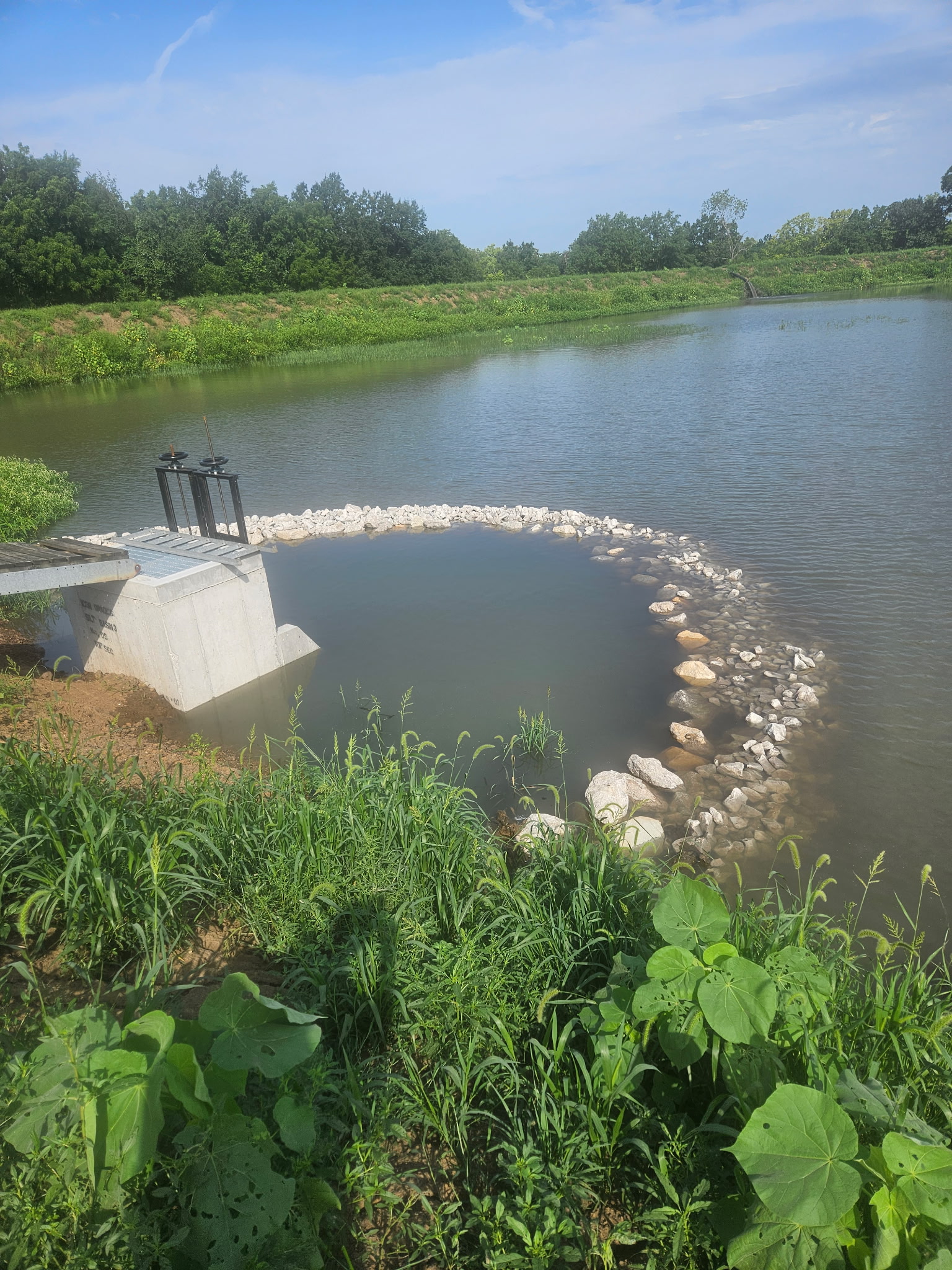
We are also continuing with Quarterly Tests for the Missouri Lake Volunteer program where we will get additional intelligence in a year end summary next spring.
Dredging | Silt Mitigation Program – The operations team has broken ground on our new 3.5-acre property south of Silt Basin #6, northeast of Gate 7. Acquired last year, the property will allow us to remove material from the basin without trucking it off-site, saving the Association an estimated $1 million. Once the basin is restructured, it will support silt removal from Sunrise Bay, Mallard Bay, and the southeast shoreline.
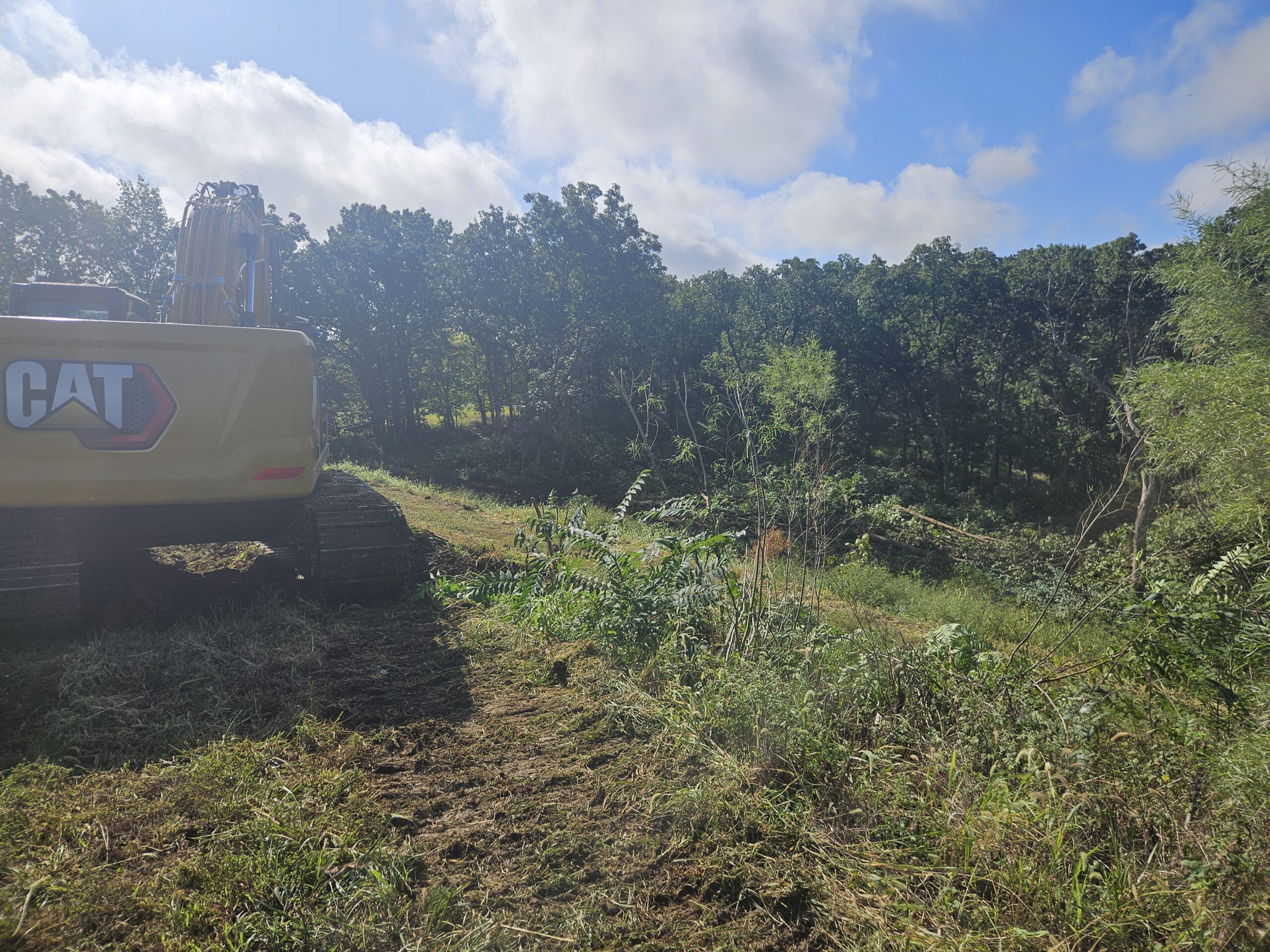
At the November Budget Meeting, our top priority will be reviewing the plans developed over the past two years. Members will see how planned investments will reduce silt entering the lake while supporting our ongoing removal efforts.
Dredging continues in the Tri-Cove area on the lake’s northwest side. In some places, we are removing as much as 10 feet of silt—more than historical records indicated. This work will remove nutrients that fuel vegetation growth and create depths unfavorable to Southern Naiad grass. Although the grass may return in 2027, we expect less of it in this area, allowing the stocked grass carp to be more effective. In addition, we will take our learning from this year and expert input to have an improved response for 2027 season.
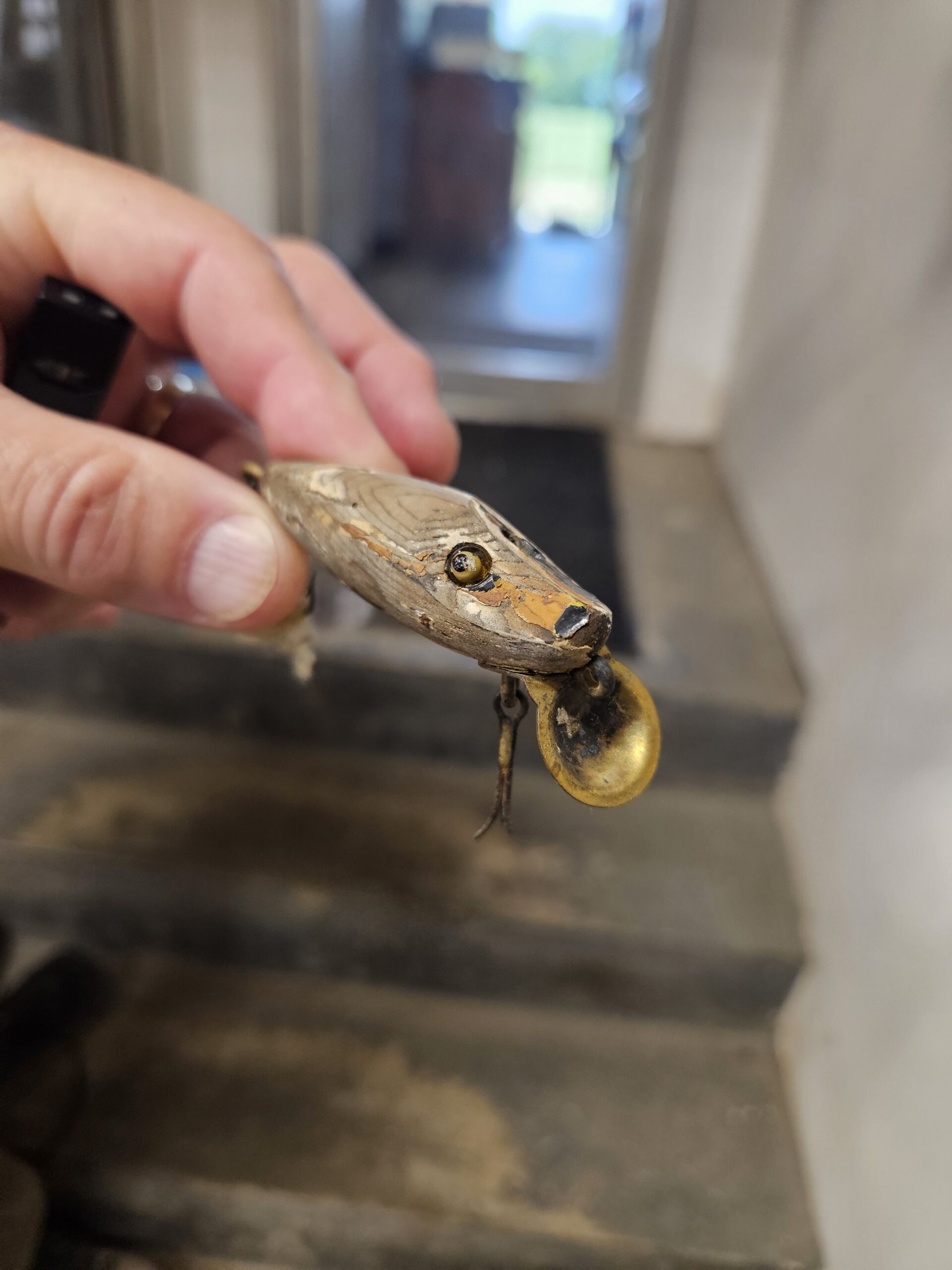
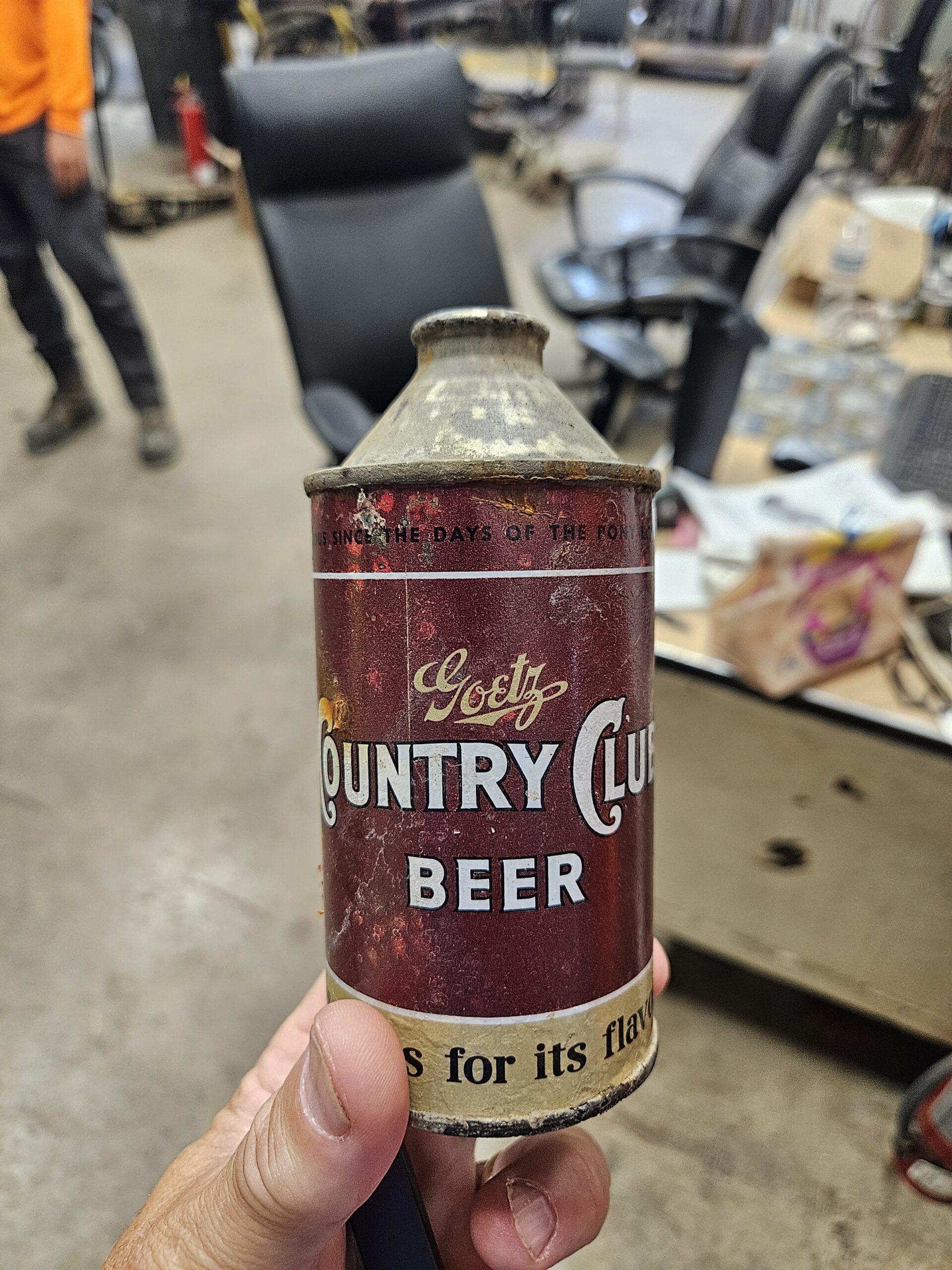
We have pulled up from the bottom a ton of debris. A few were really a surprise, however, quite a few things we feel could have been addressed by owners. If you loose something significant on the bottom (i.e. furniture, water trampoline, etc.) please let the office know. We would prefer to know and use our equipment to remove so we don’t damage the dredge.
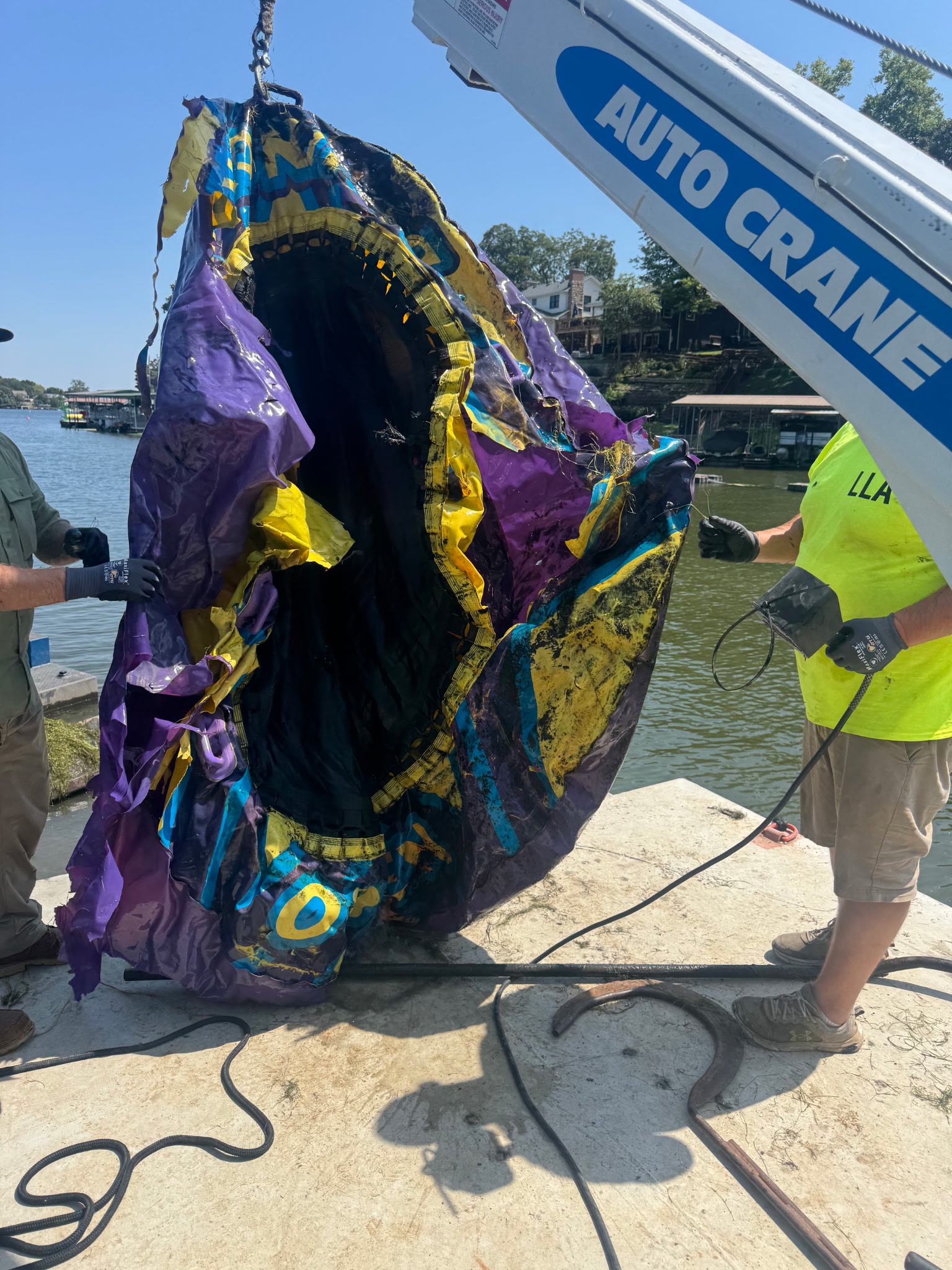
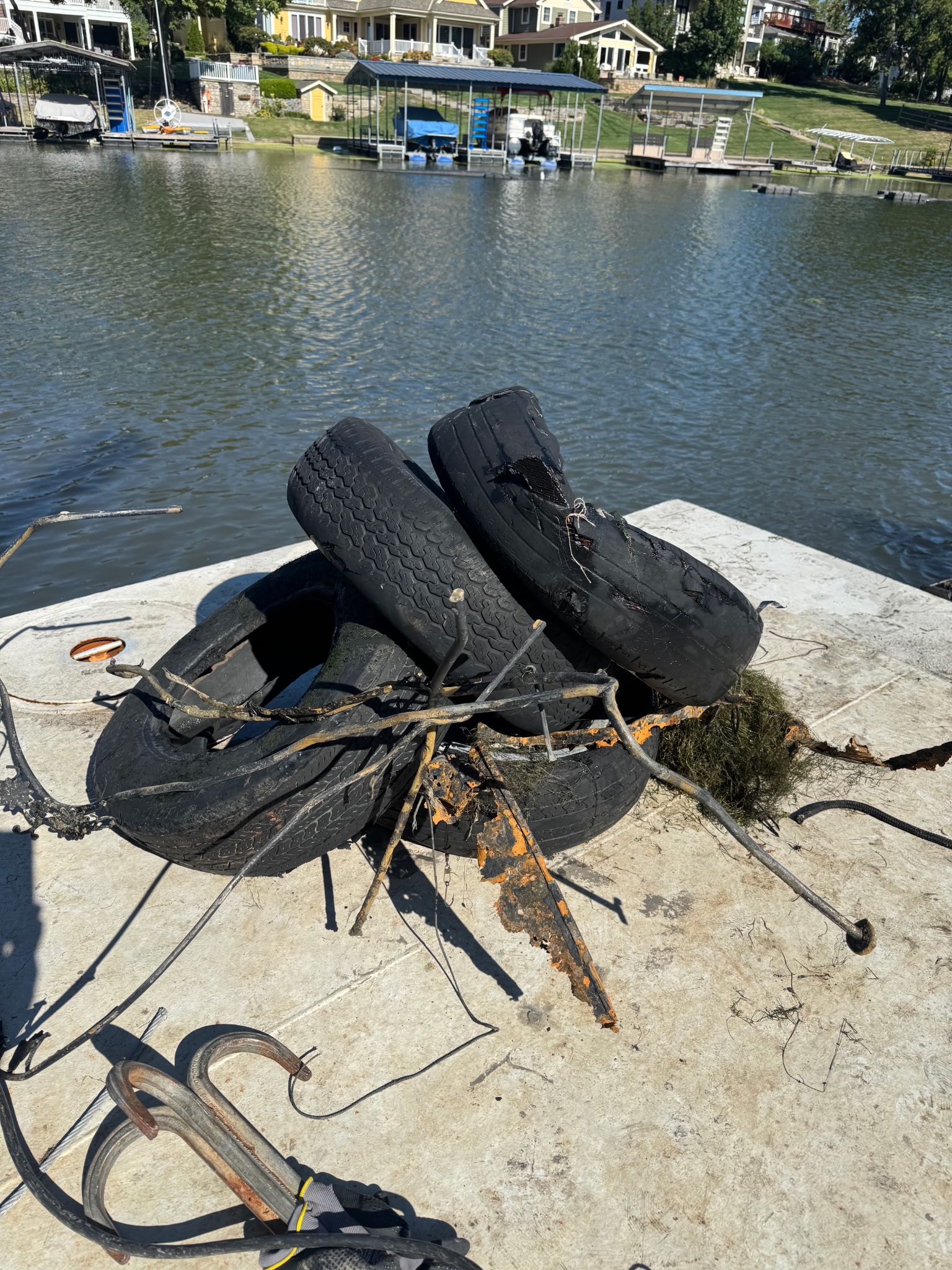
Finally, I recognize how difficult this season has been for many members, as the surge in aquatic vegetation has limited lake access and swimming around docks. Knowing that other lakes face similar conditions may provide context, but it does not lessen the impact on lake use. As I have often said, there is no single solution; improvement will require several measures and time for them to take effect. I ask that we work together as a lake community while supporting the Association’s efforts. In addition to regular operations costs, we spent $25,000 clearing vegetation around docks in the most affected areas in August, but new growth has already begun to replace what was removed. This is why dredging is essential to the lake’s future. Experts advise that manual removal is largely cosmetic and that continued dredging and grass carp stocking are the most effective measures. We are also examining yard fertilization practices. Mike Morlan is preparing educational information to help us reduce our individual contributions to the lake’s nutrient levels. Every little bit helps in the long run!
Sincerely,
Jeff Clemow
President